Saturday, October 23, 2010




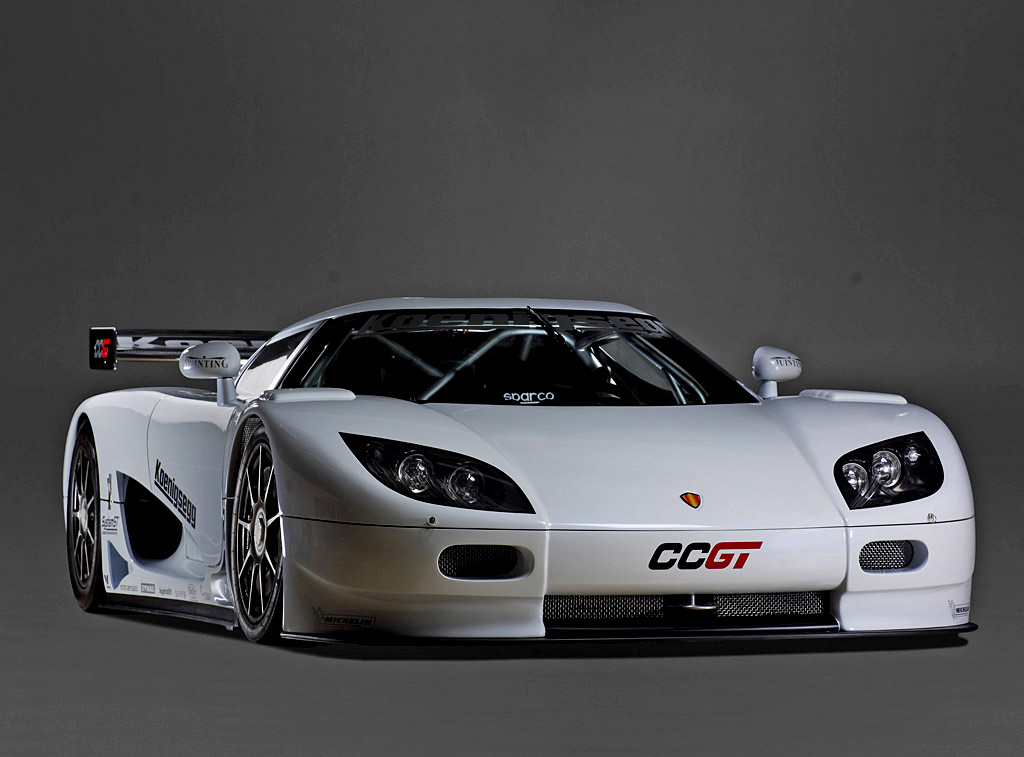
Koenigsegg Automotive AB is a Swedish manufacturer of high-performance sports cars based in Ängelholm.
The company was founded in 1994 in Sweden by Christian von Koenigsegg, with the intention of producing a world-class supercar. Many years of development and prototyping led to the company's first street-legal production car delivery in 2002.
 KoenigseggKoenigsegg Automotive AB is a non listed free traded Swedish Public Company. The Company has around 90 shareholders. As the company is free trading the amount of shareholders can vary. Christian von Koenigsegg is the CEO and a major shareholder.

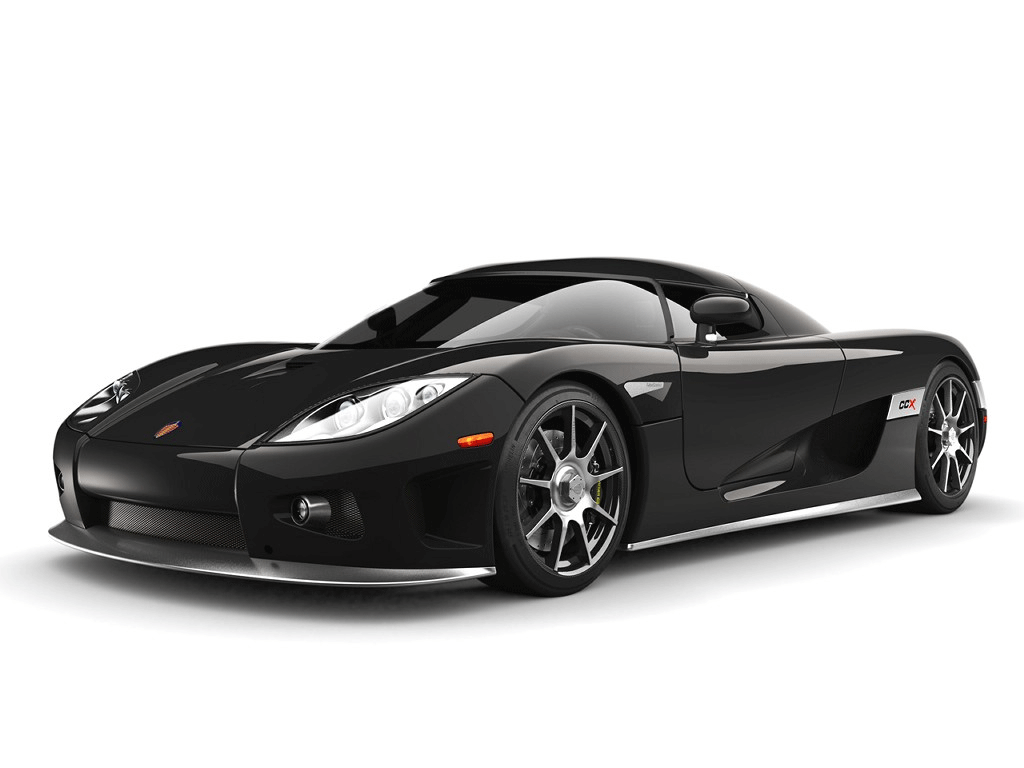
 KoenigseggIn 2006, Koenigsegg began production of the CCX, which uses an engine created especially for that vehicle. The CCX is street-legal in most countries, including the United States.
Apart from developing manufacturing and selling the Koenigsegg line of supercars, Koenigsegg is also involved in "green technology" development programs, including the CCXR ("Flower Power") flexfuel supercar. Koenigsegg is also active in development programs when it comes to plug-in electric cars' systems and next-generation combustion engine technologies.

 KoenigseggKoenigsegg holds patents within the engine development area, for example, the Rocket catalytic converter that reduced back pressure and size while shortening light-off time and a supercharger response system that eliminated the need to use bypass valves, which in turn reduces consumption and improves engine response time.
In March 2009 the Koenigsegg CCXR was chosen by Forbes to be one of the ten most beautiful cars in history.
The company was founded in 1994 in Sweden by Christian von Koenigsegg, with the intention of producing a world-class supercar. Many years of development and prototyping led to the company's first street-legal production car delivery in 2002.
 Koenigsegg
 Koenigsegg
Apart from developing manufacturing and selling the Koenigsegg line of supercars, Koenigsegg is also involved in "green technology" development programs, including the CCXR ("Flower Power") flexfuel supercar. Koenigsegg is also active in development programs when it comes to plug-in electric cars' systems and next-generation combustion engine technologies.

 Koenigsegg
In March 2009 the Koenigsegg CCXR was chosen by Forbes to be one of the ten most beautiful cars in history.
Koenigsegg


 Koenigsegg
Tuesday, April 6, 2010
The Lamborghini Miura is a sports car produced by Italian automaker Lamborghini between 1966 and 1972. The car is widely considered to have begun the trend of high performance, two-seater, mid-engined sports cars. While the mid-engined layout had been used successfully in competition in cars such as the Ford GT40 and Ferrari 250 LM at Le Mans, the Miura was the first viable road car sporting the layout.
 Lamborghini MiuraThe Miura was originally conceived by Lamborghini's engineering team, who designed the car in their spare time against the wishes of company founder Ferruccio Lamborghini, who showed a preference towards producing powerful yet sedate grand touring cars, rather than the racecar-derived machines produced by local rival Ferrari.
 Lamborghini MiuraWhen its rolling chassis was presented at the 1965 Turin auto show, and the prototype P400 debuted at the 1966 Geneva show, the car received a stellar reception from showgoers and motoring press alike, who were impressed by Marcelo Gandini's sleek styling as well as the car's revolutionary design. Lamborghini's halo car, the Miura received periodic updates and remained in production until 1972, and was not replaced in the automaker's lineup until the Countach entered production in 1974, amidst tumultuous financial times for the company.
 Lamborghini MiuraEarly Miuras, known as P400s (for Posteriore 4 litri), were powered by a version of the 3.9 L Lamborghini V12 engine used in the 400GT at the time, only mounted transversely and producing 350 PS (260 kW; 350 hp). About 275 P400s were produced between 1966 and 1969 - a success for Lamborghini despite its then-steep $20,000 USD price (approx. $114,000 in today's terms).
Lamborghini MiuraLamborghini MiuraLamborghini MiuraLamborghini Miura


 Lamborghini Miura
Subscribe to:
Posts (Atom)

