Showing posts with label super cars. Show all posts
Showing posts with label super cars. Show all posts
Friday, February 11, 2011
A modern Formula One car is a single-seat, open cockpit, open wheel race car with substantial front and rear wings, and an engine positioned behind the driver. The regulations governing the cars are unique to the championship. The Formula One regulations specify that cars must be constructed by the racing teams themselves, though the design and manufacture can be outsourced.
F1 Car


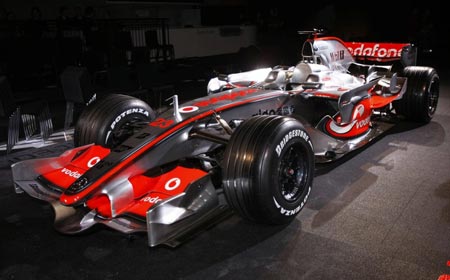
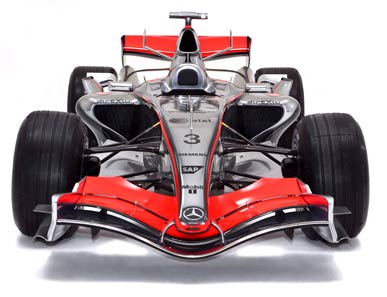


 F1 Car
Monday, January 31, 2011
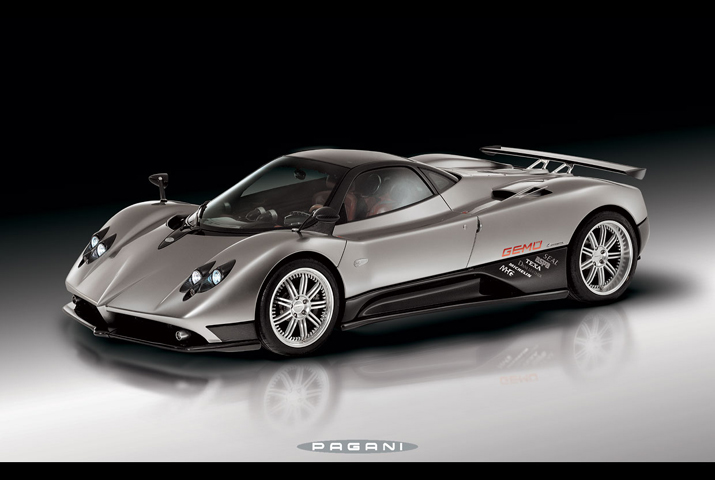
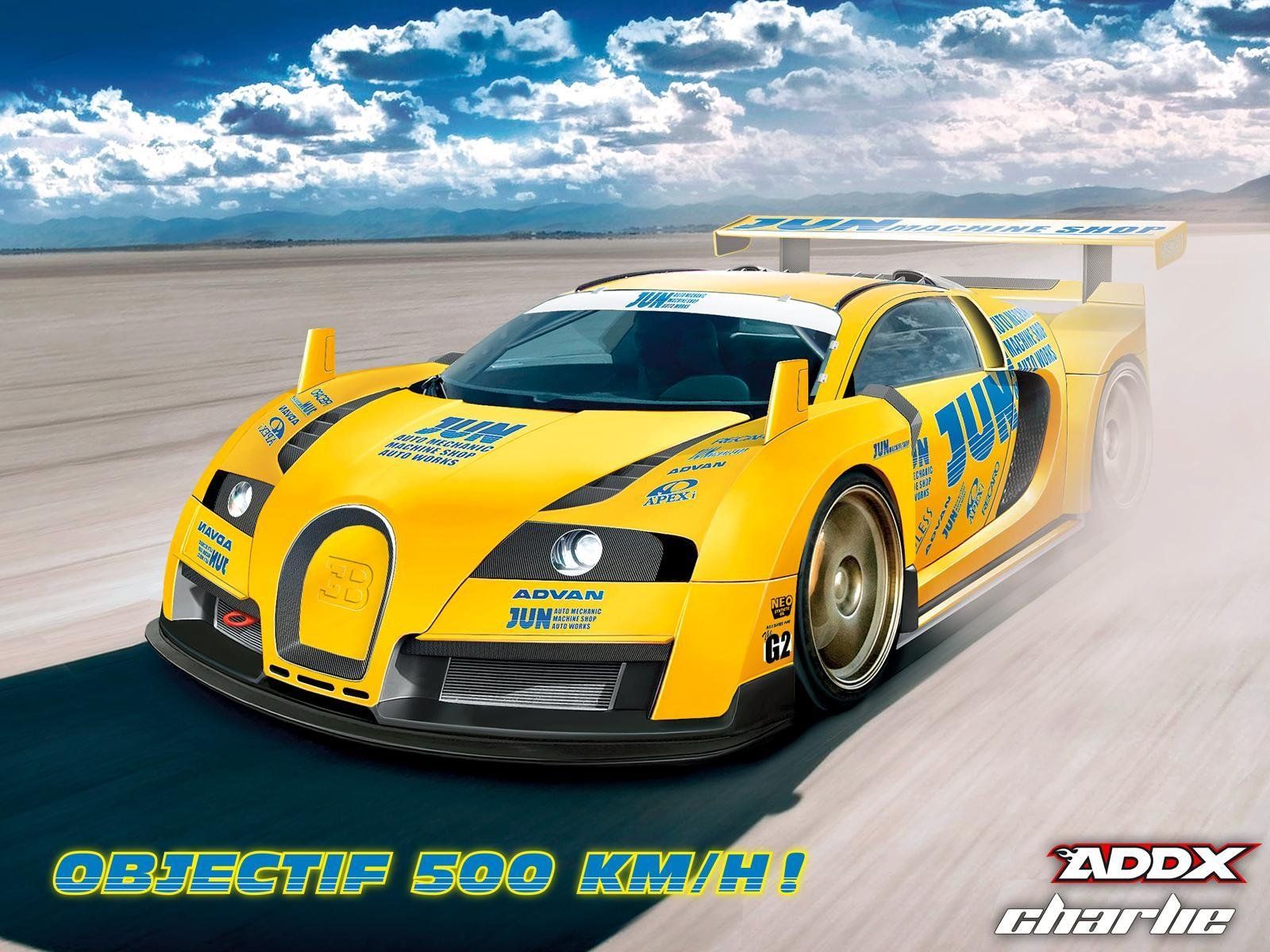
Sports cars are automobiles that have the ability to generate high top speeds. They are generally light weight with a low center of gravity and possess powerful engines to propel them to high speeds. Aesthetics have formed an important aspect of modern sports cars as they are known for their sleek design. Rear-wheel drives are designed for more precise handling, an important need of these vehicles. However, there are other layouts available as well. Race cars are types of sports car but they are not an all inclusive type for example Lamborghini does not build racing cars and solely produces sports car for the consumer.

 Fast CarsThe history of sports car traces its roots to the early 20th century where touring cars were used in early rallys such as the Monte Carlo. The 3 liter 1910 Vauxhall 20 hp (15KW) and 27/80 PS Austro-Daimler, designed by Porsche, can be regarded as the first true sports cars, even though they were not called that. Austin with the 'Seven' and Morris Garages (MG) with the 'Midget' were two of the first companies to offer reliable sports cars.

 Fast CarsSports cars need to have precise handling and different layouts are employed to ensure that. The layout of having a rear-wheel drive with the engine at the front has survived in sports cars. Other layouts such as the RMR layout deployed by manufacturers like Ferrari and Lamborghini have the added advantages of improved handling and better weight distribution. In the RMR layout the motor is located in the center in the chassis behind the driver.

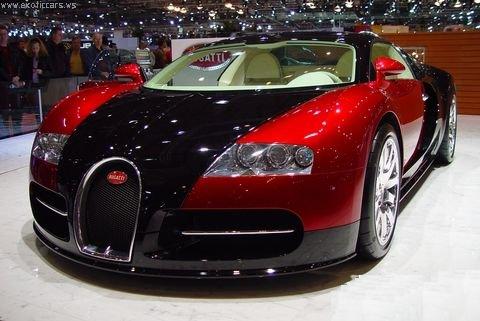 Fast Cars
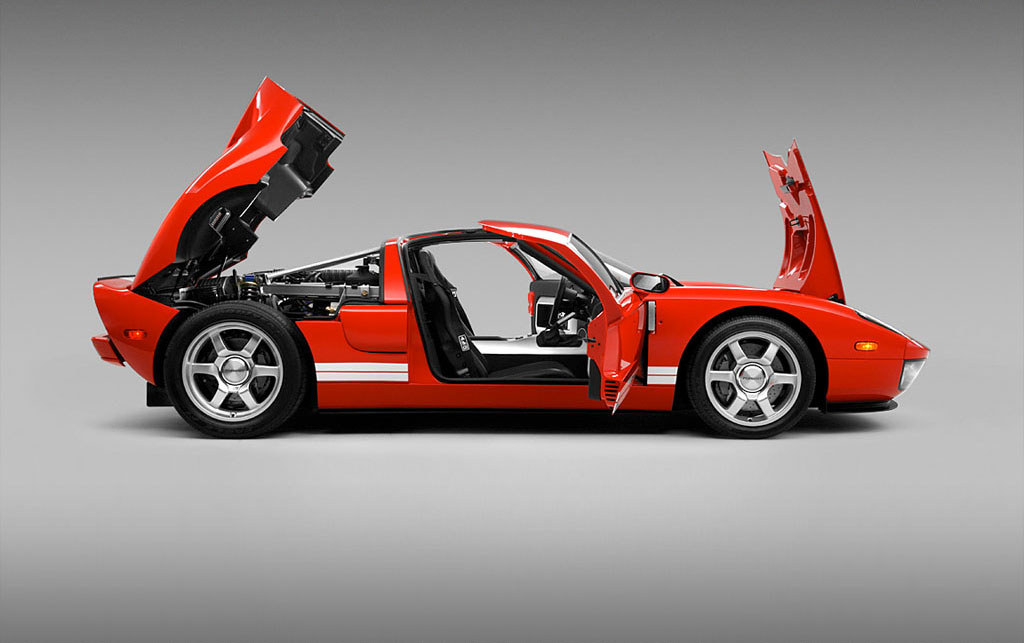 Fast Cars
Fast Cars




 Fast Cars
Saturday, October 23, 2010


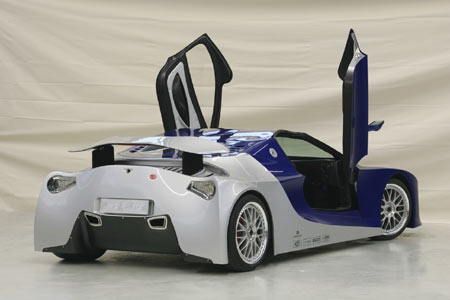


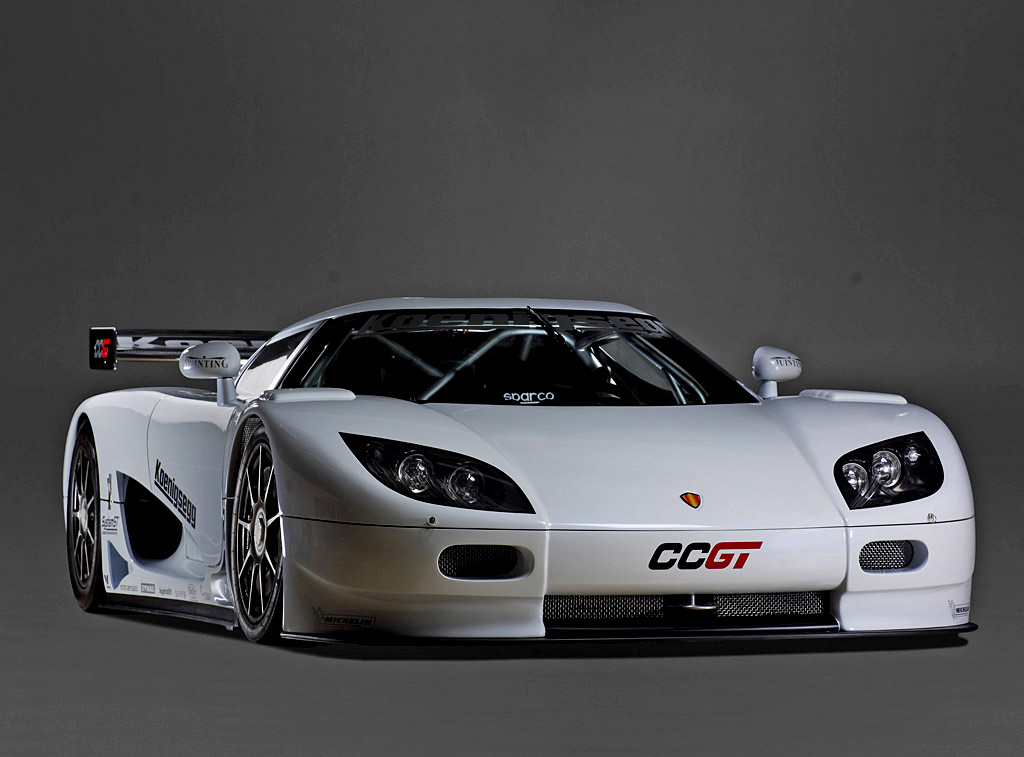
Koenigsegg Automotive AB is a Swedish manufacturer of high-performance sports cars based in Ängelholm.
The company was founded in 1994 in Sweden by Christian von Koenigsegg, with the intention of producing a world-class supercar. Many years of development and prototyping led to the company's first street-legal production car delivery in 2002.
 KoenigseggKoenigsegg Automotive AB is a non listed free traded Swedish Public Company. The Company has around 90 shareholders. As the company is free trading the amount of shareholders can vary. Christian von Koenigsegg is the CEO and a major shareholder.

 KoenigseggIn 2006, Koenigsegg began production of the CCX, which uses an engine created especially for that vehicle. The CCX is street-legal in most countries, including the United States.
Apart from developing manufacturing and selling the Koenigsegg line of supercars, Koenigsegg is also involved in "green technology" development programs, including the CCXR ("Flower Power") flexfuel supercar. Koenigsegg is also active in development programs when it comes to plug-in electric cars' systems and next-generation combustion engine technologies.

 KoenigseggKoenigsegg holds patents within the engine development area, for example, the Rocket catalytic converter that reduced back pressure and size while shortening light-off time and a supercharger response system that eliminated the need to use bypass valves, which in turn reduces consumption and improves engine response time.
In March 2009 the Koenigsegg CCXR was chosen by Forbes to be one of the ten most beautiful cars in history.
The company was founded in 1994 in Sweden by Christian von Koenigsegg, with the intention of producing a world-class supercar. Many years of development and prototyping led to the company's first street-legal production car delivery in 2002.
 Koenigsegg
 Koenigsegg
Apart from developing manufacturing and selling the Koenigsegg line of supercars, Koenigsegg is also involved in "green technology" development programs, including the CCXR ("Flower Power") flexfuel supercar. Koenigsegg is also active in development programs when it comes to plug-in electric cars' systems and next-generation combustion engine technologies.

 Koenigsegg
In March 2009 the Koenigsegg CCXR was chosen by Forbes to be one of the ten most beautiful cars in history.
Koenigsegg


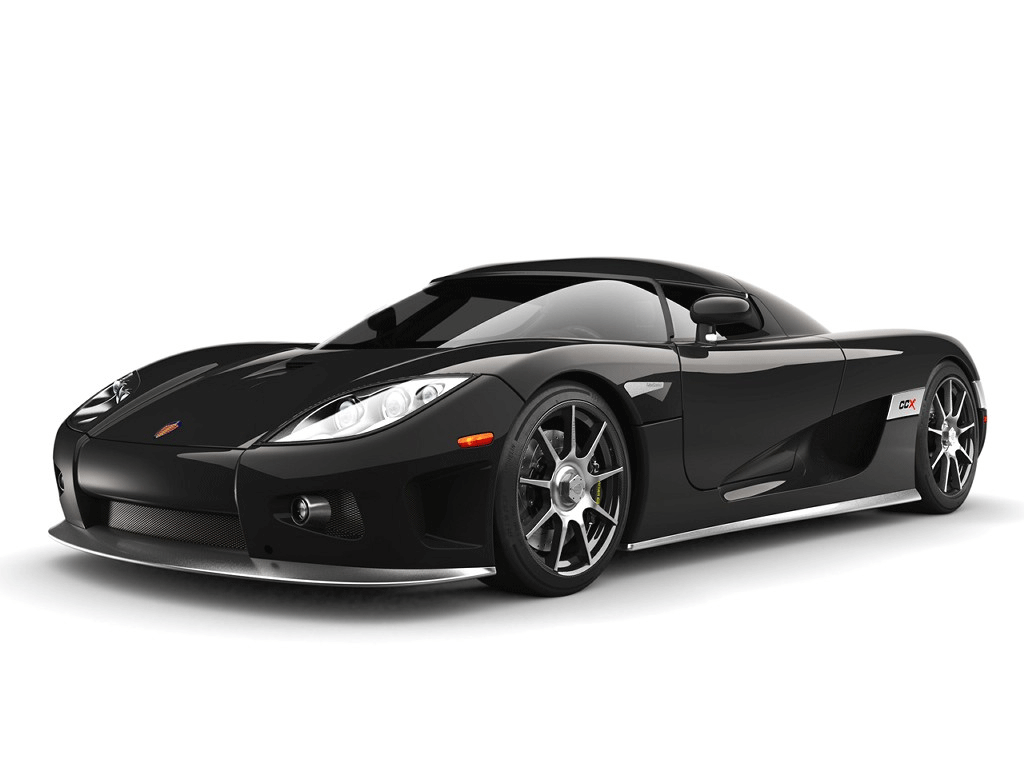
 Koenigsegg
Tuesday, March 23, 2010
The Saleen S7 was a limited-production, hand-built, high-performance automobile developed jointly by Steve Saleen for the initial concept and direction, Hidden Creek Industries for resources and initial funding, Phil Frank Design for the body and interior CAD design and development, and Ray Mallock Ltd. for the chassis engineering, and produced solely by Saleen in Irvine, California. It was the only car produced by Saleen not based on an existing chassis. The S7 debuted on August 19, 2000 at the Monterey Historic Races. From 2000 until 2004, the S7 featured a naturally aspirated V8 engine with 550 horsepower (410 kW). In 2005, the S7 was replaced by the S7 Twin Turbo, which featured a more powerful twin-turbo system that boosted engine power to 750 horsepower (760 PS/559 kW) and the top speed 248 mph (399 km/h).


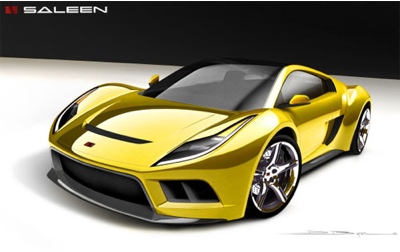 Saleen Car
Saleen Car


 Saleen Car
Subscribe to:
Posts (Atom)

